This summer, I studied abroad in Dublin, Ireland, through UNC, taking PSYC 245: Psychopathology. In Ireland, we studied the differences in mental health models between Ireland and the United States. Through site visits, guest speakers, and discussions with Irish mental health professionals, we saw how community-based practices, early intervention, and culturally sensitive support systems shape a different narrative around psychological well-being. We learned that by reducing stigma and increasing community engagement, the depiction of mental health can be positively changed.
Psychopathology of the Dublin Streets
Click or scroll to explore the social and psychological landscape of Dublin’s streets.
QR Codes for Drugs?
Click for an exploration of how QR codes are used in modern drug culture and distribution.
In Ireland, QR codes have become a tool in modern drug distribution, blending technology with the street-level economy in ways that are harmful to communities. In Dublin, stickers with QR codes were placed on lampposts, electrical boxes, and other public surfaces; scanning them would lead users to encrypted apps or anonymous storefronts to buy drugs without direct contact. While convenient for buyers and sellers, this system increases accessibility to illicit substances, normalizes drug culture in public spaces, and makes it harder for authorities to intervene. The presence of these codes throughout the city contributes to public safety risks, fuels addiction, and erodes the social and psychological well-being of neighborhoods already struggling with visible drug use.
Talbot Street or Tablet Street?
Click for an exploration of a street nicknamed for its drug use takeover.
Talbot Street—known by some locals as “Tablet Street”—has become a shorthand for the slow, grinding takeover of public space by visible drug use in Dublin’s North Inner City. Once a bustling commercial stretch feeding into Connolly Station, it now carries the weight of shuttered storefronts, uneasy foot traffic, and a constant sense that the city has stepped back and let the street fend for itself. The presence of open drug use, discarded paraphernalia, and frequent confrontations has created an environment where residents and commuters alike feel unsafe, and local businesses struggle to maintain a foothold. What was once a vibrant corridor of social and economic activity now serves as a stark reminder of the social and public health challenges facing urban communities, highlighting the urgent need for intervention, harm reduction, and community support initiatives.
The Irish Psyche
Click for an exploration of the organizaiton, "Mental Health in Ireland"
I visited the organization, Mental Health Ireland, where I encountered a framework that centers not on symptoms, but on individuals and their lived experiences. Maria Walsh-Healy, one of the organization’s speakers, emphasized that recovery is not about instructing people on what they should do or imposing rigid treatment plans. Instead, it is about creating spaces where mental health support is accessible, stigma-free, and responsive to the cultural and personal contexts of each individual. She described recovery as the process of “reclaiming aspects of oneself and one’s life” that may have felt lost, emphasizing that this journey is deeply personal and non-linear. Support systems, she explained, should empower people to make choices about their own care, fostering agency rather than obligation. This approach not only shifts the focus from pathology to potential but also highlights the importance of community, connection, and understanding in promoting mental well-being, offering a model that contrasts sharply with more clinical or symptom-focused approaches.
About Me
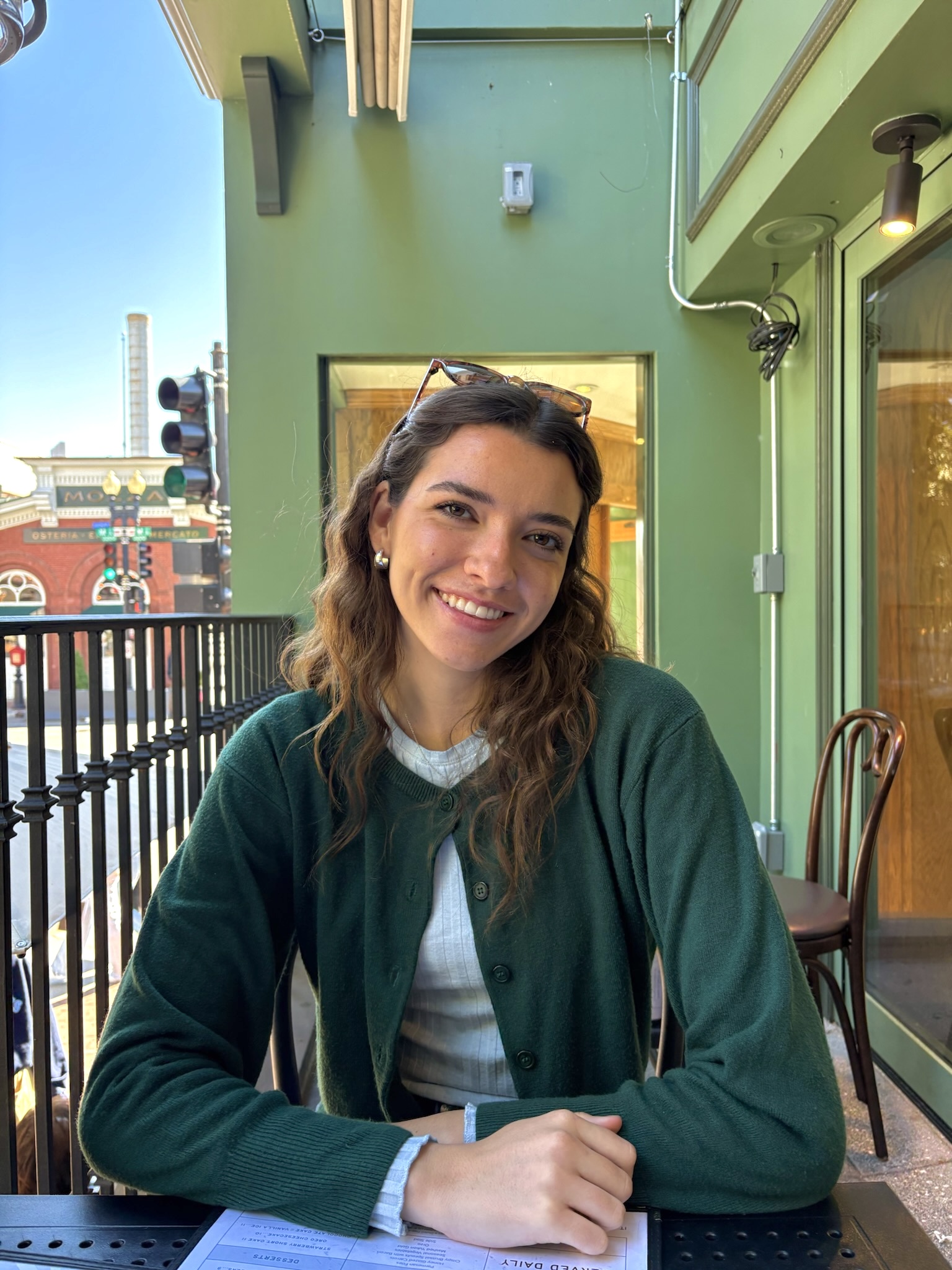
Madeleine Denechaud